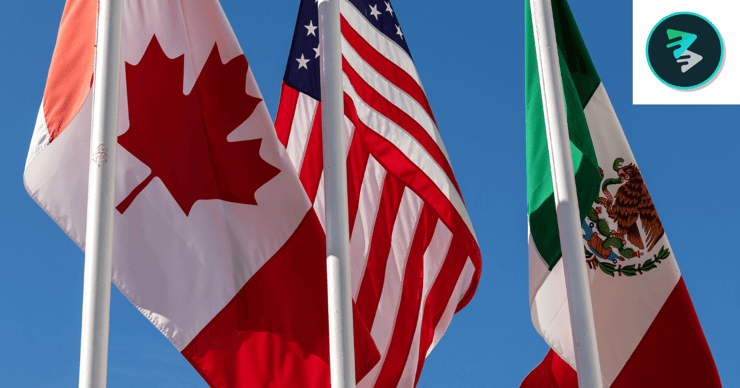
Understanding USMCA And The 25% Tariffs On Canadian And Mexican Goods - FlavorCloud
Updated on August 14. Originally written March 14, 2025
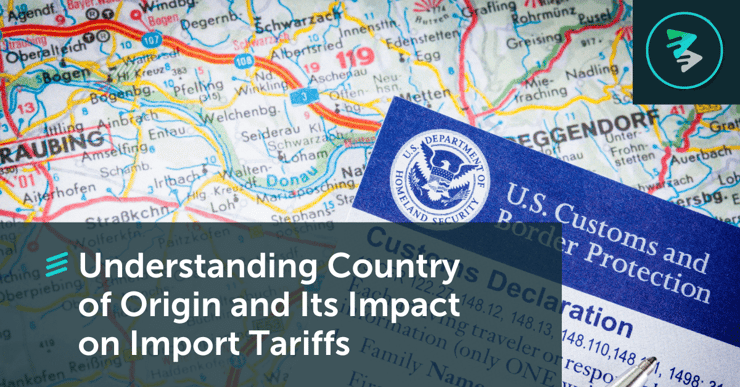

Updated on August 15, 2025. Originally written February 13, 2025 Summary In early 2025, the U.S. introduced sweeping tariff and customs changes, beginning with a 10% tariff on goods manufactured in China, followed by the removal of the $800 de minimis exemption for China-origin ...
Updated: August 14th, 2025 originally written April 29, 2025
Summary: Starting August 29, 2025, the U.S. will eliminate the $800 de minimis rule, an exemption that has long allowed low-value shipments to enter the country duty-free and with minimal paperwork. This change will have major implications for brands, 3PLs, and marketplaces that ...
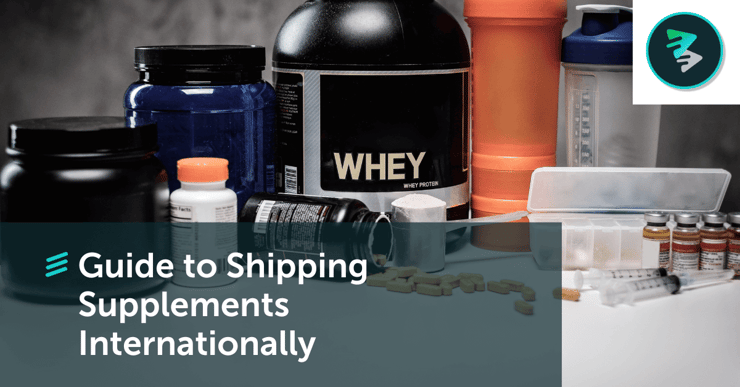
The US is one of the largest and most lucrative markets for supplements, the revenue generated in the vitamins & minerals market in the United States amounts to US$4.79bn in 2025. However, getting your products across the border isn’t as simple as printing labels and ...
The global beauty and cosmetics industry is booming with a 46.6% year over year increase in international growth. Shipping beauty and cosmetics internationally is becoming an enticing market. International shoppers are eager to access favorite skincare brands, fragrances, and ...
Selling and shipping supplements to Canada is a huge growth opportunity—Statista projects Canada’s supplement industry to generate US$1.05bn in revenue in 2025—but it comes with unique regulatory considerations. Canada doesn’t treat vitamins, probiotics, and herbal remedies like ...
International shipping is full of curveballs, but one area that often gets overlooked until it’s too late? Labeling compliance and business rule management.
Understanding International Shipping Supplement The demand for supplements internationally is growing, Health & Wellness goods saw a 201% year-over-year increase in growth in 2024. Supplements were a large percentage of that international demand. However, shipping ...
Tradewinds don’t die. They shift. That’s what we witnessed during the COVID-19 pandemic, and it’s happening again now in an unprecedented manner. With ongoing tariff volatility and the rebound from 145% tariffs on made in China goods and subsequent temporary relief down to 10% ...