

Archive for February 2026
Tariff engineering: How small design choices can mean big savings at the border
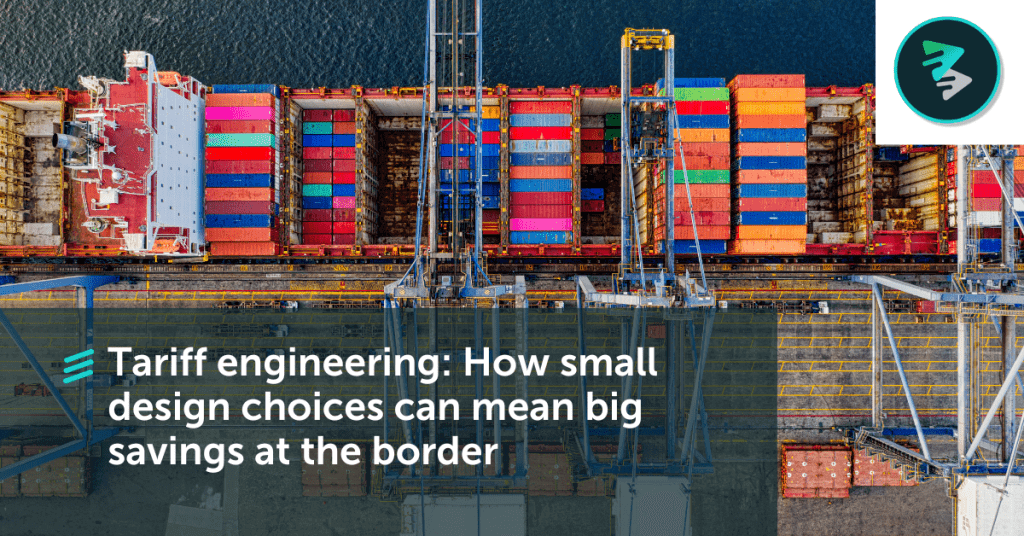
What is tariff engineering? Tariff engineering is the practice of designing or altering a product so that it qualifies for a more favorable customs classification and therefore a lower duty rate. Importantly, the product must be imported in the altered form. It’s not about disguising goods or making temporary changes, which would be considered fraud. Instead, it’s about strategically designing products with…
Read More2026 General Rate Increase (GRI) guide and why carrier optimization matters

General rate increases (GRIs) are one of the most predictable yet least transparent parts of international shipping. Every year, carriers announce across-the-board price increases that apply regardless of shipper size, destination, or performance history. For merchants, GRIs often feel unavoidable, difficult to forecast, and disconnected from the realities of how their packages actually move through the network. For…
Read MoreWhy product classification matters more than ever

Product classification is one of the least accurate and most critical parts of international commerce. Every physical product that crosses a border must be assigned a Harmonized System (HS) code, a standardized identifier used by customs authorities worldwide to determine duties, taxes, regulatory requirements, and admissibility. When classification is wrong, the consequences rarely show up immediately. Instead, they surface later as unexpected duties,…
Read More