
How to Sequence International Expansion for DTC Brands
Choosing your first international market is one decision. Choosing how to enter it is another, and it is the one most DTC brands skip.

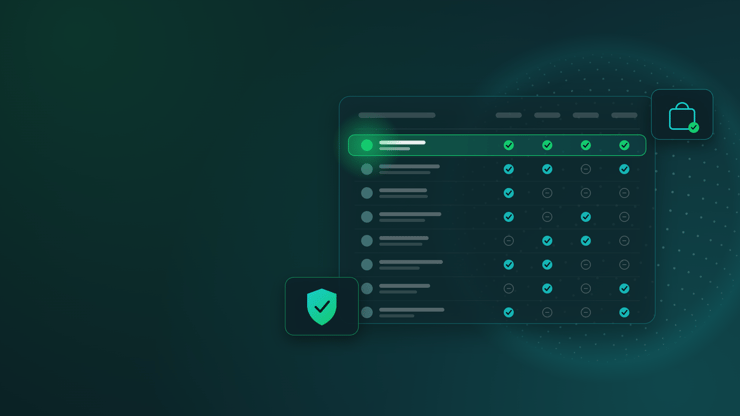
Most cross border pricing tools look the same in a demo with ten products. The differences show up when you load ten thousand. Every SKU needs its own classification, its own duty rate in every market, and a local price that still clears your margin after shipping, duties, taxes ...
Holiday ecommerce is accelerating. Mastercard expects US online holiday sales to grow 11% year over year in 2026, while Deloitte forecasts ecommerce holiday sales of $316.1 billion to $318.9 billion.
Most brands start selling internationally with one global price: the US price, converted at today's exchange rate. It is quick to set up, and it quietly costs you. In some markets that price is too low to cover duties, taxes and fees. In others it lands on an awkward number that ...
The best cross border platform for a Shopify brand lets you stay the seller and guarantees every dollar of duties, taxes, and customs fees your shopper sees at checkout. That is the standard we set with FlavorCloud. The alternative is a merchant of record such as Shopify Managed ...
For direct to consumer brands, international expansion often begins with the wrong question: “Which country should we enter first?”
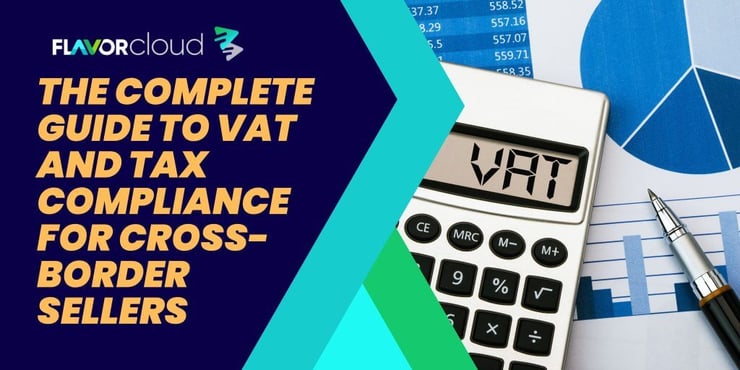
Navigating the maze of Value Added Tax (VAT) and tax compliance is a daunting task for cross-border shippers. For 3PLs and direct-to-consumer (DTC) merchants, understanding the intricacies of international taxes is crucial for maintaining profitability and ensuring customer ...
Our Rathna Sharad, FlavorCloud’s Founder and CEO, recently joined Joe Lynch on the ‘Logistics of Logistics’ podcast to talk about the origins of FlavorCloud and how we’re shaping the future of international shipping. The podcast is a fantastic listen and covers the following ...
Patience is a virtue, the saying goes, but end consumers can have very different expectations when they hit that ‘order now’ button.
Running an ecommerce business involves a lot of moving parts. There’s the obvious stuff, like choosing the right products, marketing, site design, accounting, payment processing, packaging, and shipping. And then, each of those aspects breaks down into smaller subsections, like ...